
BPC needs to understand the projects you managed, the decisions you made, the qualifications you hold and who directly observed your work. You do not need to decide between DB-U, DB-L or a commercial class before asking Builders Licence Success for help.
Victoria calls this builder registration. The Building and Plumbing Commission, BPC, assesses the application and makes the final decision.
Are you applying for domestic or commercial registration?
The right Victorian registration depends on whether you plan to contract full domestic projects, a defined type of domestic work or commercial building work.
- Domestic Builder Unlimited, DB-U: for people seeking broad responsibility for domestic building work.
- Domestic Builder Limited, DB-L: for a narrower type of domestic work, such as a particular trade or building component.
- Commercial Builder: for commercial building work, with the class depending on the scope and level of responsibility.
You do not need to choose from a regulator list by yourself. A useful starting description can be as simple as: “I am a carpenter and site supervisor. I have run extensions and renovations, and I want to contract for full domestic projects.” BLS can compare that situation with the likely BPC class and current requirements.
If your decision is between the two domestic routes, compare DB-U and DB-L.
What your work history needs to show
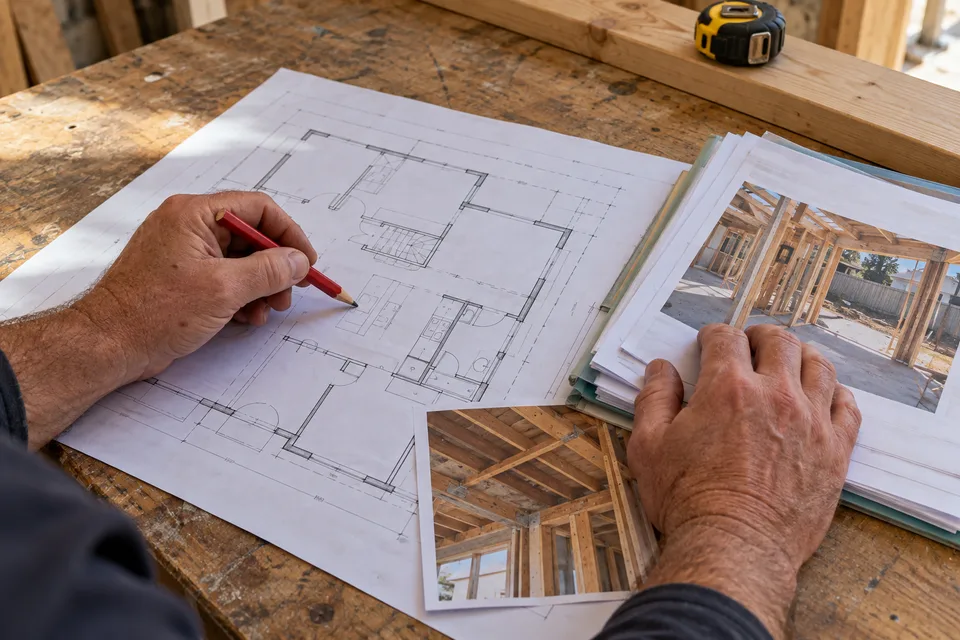
BPC is looking for relevant experience, not just years on site or a job title. Strong project evidence explains:
- what was built
- what part of the project you were responsible for
- which decisions you made
- whether you supervised trades, sequencing, quality or safety
- whether you dealt with plans, contracts, variations or compliance
- when the work happened and who directly observed it
For example, “worked as a carpenter for six years” says very little about builder-level responsibility. “Supervised the structural and finishing stages of three occupied-home renovations, coordinated subcontractors and managed defects under a registered builder” gives the assessor something clear to evaluate.
The required period depends on the registration class. BPC’s current eligibility guidance says experience should be supervised by a registered building practitioner, gained in an official paid capacity and within the last seven years. Keep employment or contracting records because BPC may ask for proof of the paid arrangement. Do not rely on owner-builder or training-course experience; BPC may disregard it. Check the current eligibility requirements for your class before selecting projects.
Qualifications and genuine gaps
BPC assesses qualifications and experience together against the requirements for the class. It may consider other qualifications where BPC accepts that they demonstrate the required knowledge and skills.
If you have the project experience but not the expected qualification, do not assume you must repeat everything from the beginning. First check whether your existing qualifications are relevant and whether an RTO could assess prior learning. An RTO decides any RPL outcome, while BPC decides whether the qualification and the wider registration application meet its requirements.
Choose referees who saw you do the work
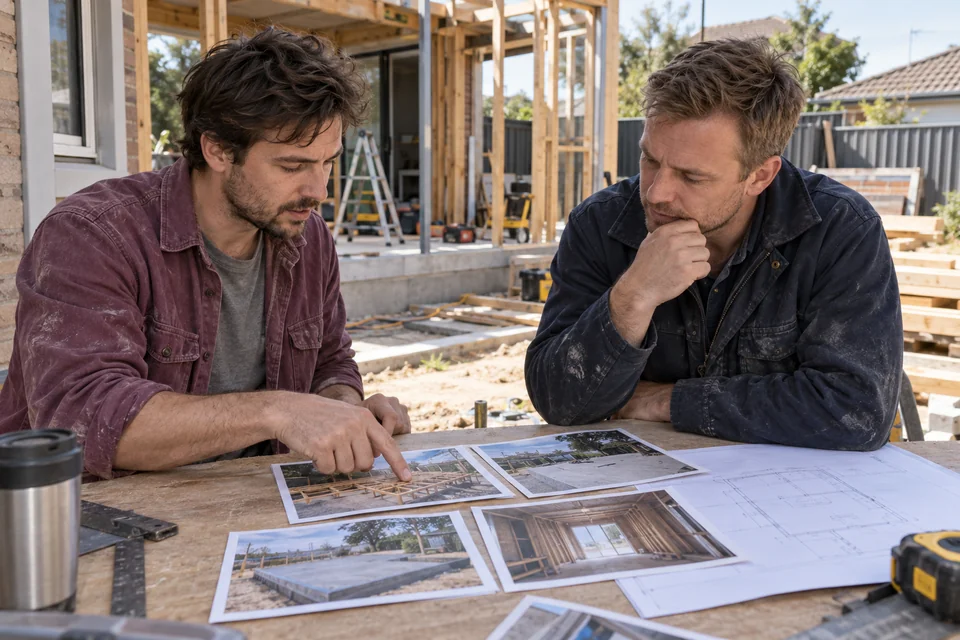
A useful technical referee must have directly observed and be able to verify the relevant work and responsibilities. For domestic builder classes that require a technical referee report, the referee generally also needs to be appropriately registered and to have directly supervised the work.
A useful referee should be able to confirm the projects, your role, your responsibilities and the construction stages they personally observed. A general character reference or a person who only saw the finished job will not carry the same weight.
Speak with potential referees early. Make sure they remember the projects and are comfortable verifying the detail you intend to include.
Check BPC’s current technical-reference submission instructions before requesting or uploading reports; the format and process are changing. Use the instructions and reference requirements for your exact class.
Be ready for the competency assessment
The assessment method depends on the class and BPC’s current process. BPC may require an online exam or ask for further information. Transitional or class-specific arrangements can differ, so the notification sent for your application controls what you must complete.
Preparation starts before any exam. If the class, project examples and referee reports are vague, memorising technical material will not fix the application. Make the project history and responsibilities clear first, then prepare for the assessment method BPC gives you.
A practical way to prepare
- Tell us whether you are currently a carpenter, supervisor or builder, and whether you are preparing a domestic or commercial application.
- List the strongest projects where you had real responsibility.
- Gather qualifications, employment records and project documents already available.
- Identify registered people who directly supervised and can verify the work.
- Check the likely class and current BPC requirements before requesting reports or paying for more training.
- Prepare for the exam or further-information stage shown in your BPC notification.
Turn years on site into a registration application
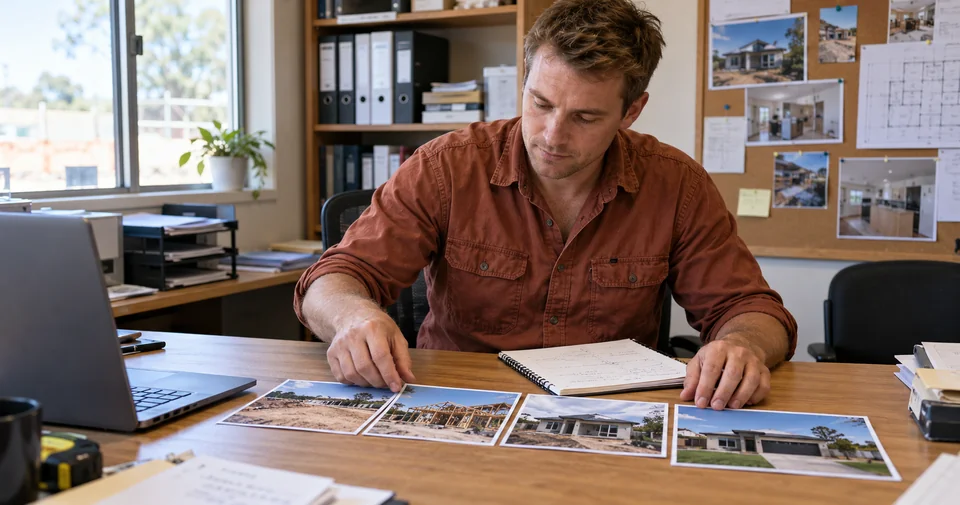
BLS checks the likely registration class, chooses project examples that show what you actually managed, confirms which registered referees directly observed that work and identifies missing qualifications or documents. We then help prepare the material for lodgement.
The Victorian builder registration hub explains the state requirements. You can also read about domestic builder registration and commercial builder registration.
Already running domestic or commercial sites and ready to apply in your own name? Check your next step. Tell BLS which projects you ran, what decisions you made and which registered builders directly supervised your work.
FAQ
Is it called a builder licence in Victoria?
Victoria uses builder registration. The regulator is the Building and Plumbing Commission (BPC).
Is a qualification enough on its own?
No. BPC assesses the qualification, relevant experience and other application evidence for the class. The regulator decides whether the full application meets the requirements.
Does BPC always require an interview?
No. BPC’s assessment process is changing, and the required method depends on the class and current arrangements. Follow the notification issued for your application.
Who decides the registration application?
RTOs decide training and RPL outcomes. BPC decides builder registration applications.