
Application guide
DB-U or DB-L: which Victorian registration fits your work?
Compare broad domestic responsibility under DB-U with the defined work covered by DB-L.
Read the application guideBuilding and Plumbing Commission
Already working as a carpenter, supervisor or builder? BLS checks whether DB-U, DB-L or a conditioned DB-U fits, identifies what is missing and helps prepare your registration application for BPC assessment.
At a glance
Registration
You must register with the Building and Plumbing Commission (BPC) if you do domestic building work in Victoria and any of these apply.
From 1 July 2026, Home Warranty applies to new eligible domestic contracts signed on or after that date, worth more than $20,000, for homes or residential buildings up to three storeys, subject to exclusions. Existing domestic building insurance policies continue.
Consumer Affairs Victoria says you do not have to register with the BPC for a job that involves only one of these:
What the regulator will ask for
BPC assesses the class, your qualifications and what you personally did on relevant projects. Registered builders may also need to verify work they saw you perform.
DB-U covers broad domestic building responsibility. DB-L covers a defined type of domestic work. BPC can also register DB-U with conditions that restrict the practical scope.
BPC needs more than a trade title or years on site. Project examples should explain what you personally managed, supervised and decided, including the stages, other trades, compliance work and your level of responsibility.
Each class has its own qualification and knowledge requirements. If your experience is strong but a qualification is missing, an RTO may assess RPL or further training. BPC separately decides the registration application.
For applications requiring a technical referee report, BPC requires the referee to be registered in the same domestic builder class or a higher class. The referee must have directly observed the relevant work, be able to verify your responsibilities and use the correct class-specific report. Use BPC’s current online technical referee report process. Check the instructions for your registration class and confirm that your referees can verify the work and responsibilities in your application.
If you want to sign major domestic building contracts, or be named as builder on a building permit, in your company's name, the company has to be registered as well as you. A company can only hold a class that at least one of its directors holds, and you must keep your own registration current for the company to stay registered. Every director completes a declaration and a national criminal history check. Partnerships can't be registered. The registration belongs to the individual (or company) carrying on business as a partner, and BPC checks that every partner, registered or not, is a fit and proper person.
The assessment method depends on the class and BPC’s current process. Follow the exam or further information instructions in your own BPC notification rather than preparing from an old interview checklist.
Preparing your records

Preparing your records
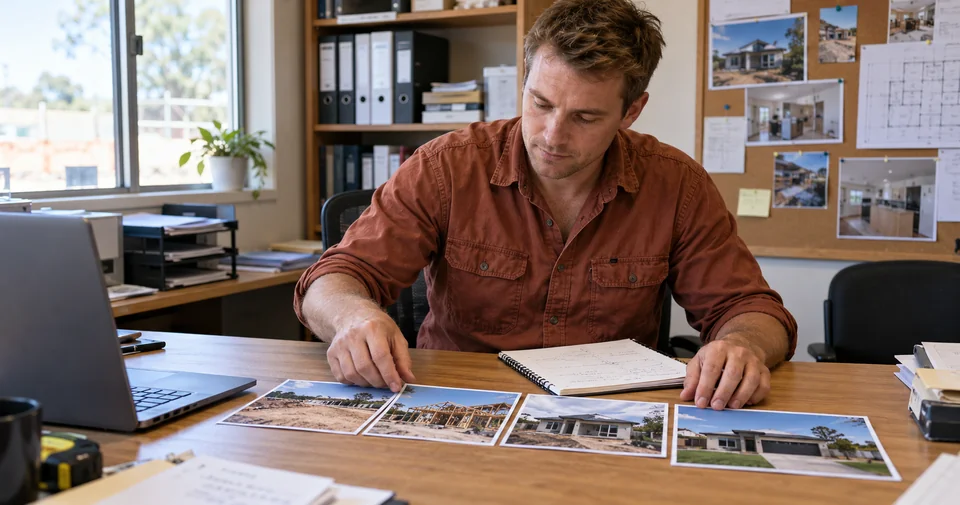
Your project details and responsibilities help explain the experience behind your registration application.
What BLS does for you
BLS helps identify the likely class, choose useful project examples and prepare your qualifications and technical referees before you apply.
Help with the application
Application guides
These guides explain the regulator requirements, application steps and documents you may need.
Application guide
Compare broad domestic responsibility under DB-U with the defined work covered by DB-L.
Read the application guideApplication guide
See what useful project examples and technical referees need to show in a BPC application.
Read the application guideApplication guide
Find the current permitted references for the class shown in your BPC exam invitation.
Read the application guideService and cost
Licence and registration applications vary by state, class and how much preparation is needed. The free check gives BLS enough information to explain the service and provide a quote.
The quote depends on where you are applying, the type of application, what records you already have and how much preparation is still needed.
Your next step
Get clear on your likely licence, gaps and next step before you pay for training or start pulling the paperwork together.